



- EN
- JP


Basic Policy
Environment
Social

© ZOZO, Inc. ALL RIGHTS RESERVED.
Strategy & Business
CFO Message

Strategic Investment and Sound Financial Management for the Next Stage
Performance Review and Financial Foundation Enhancement
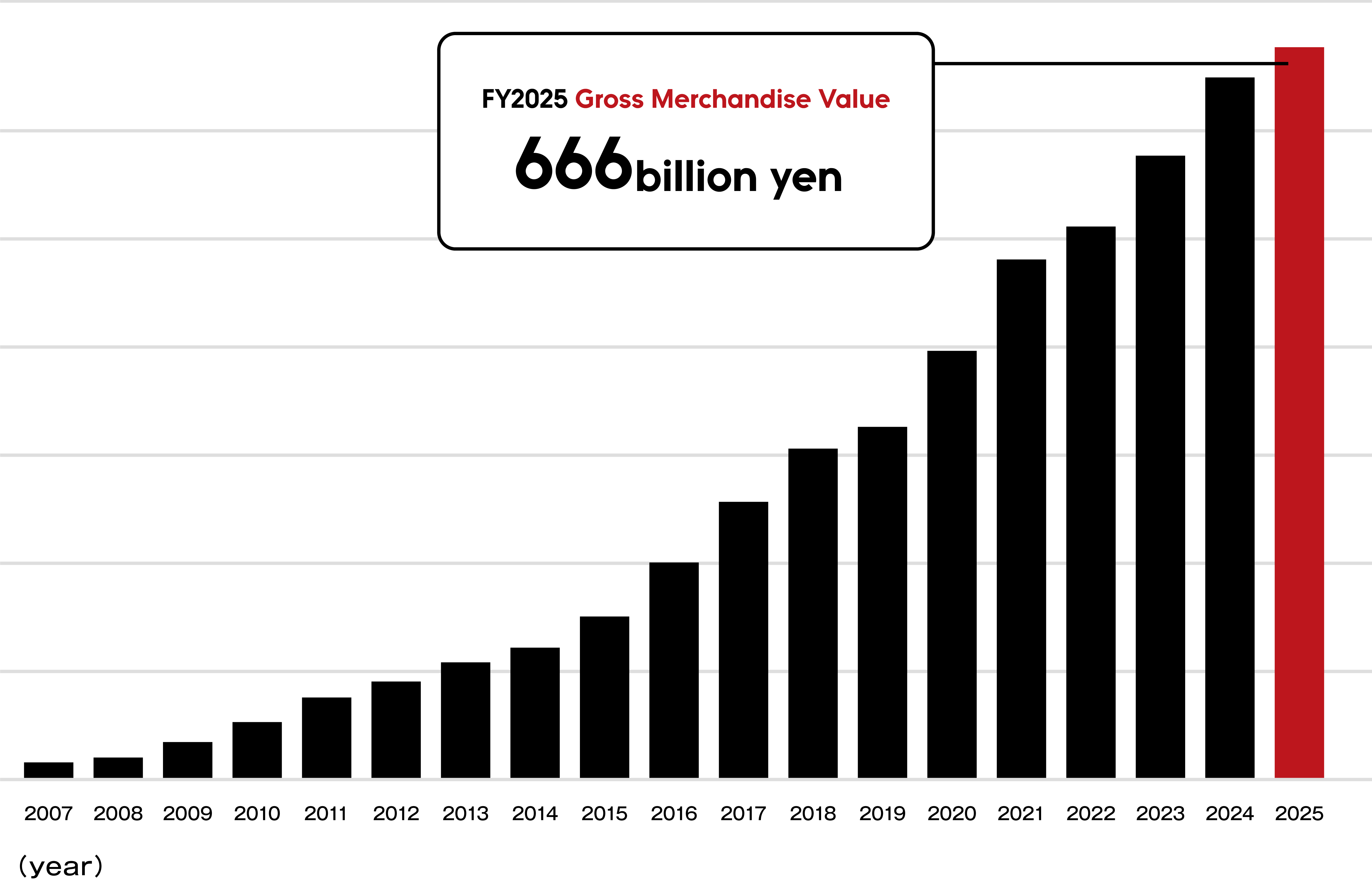
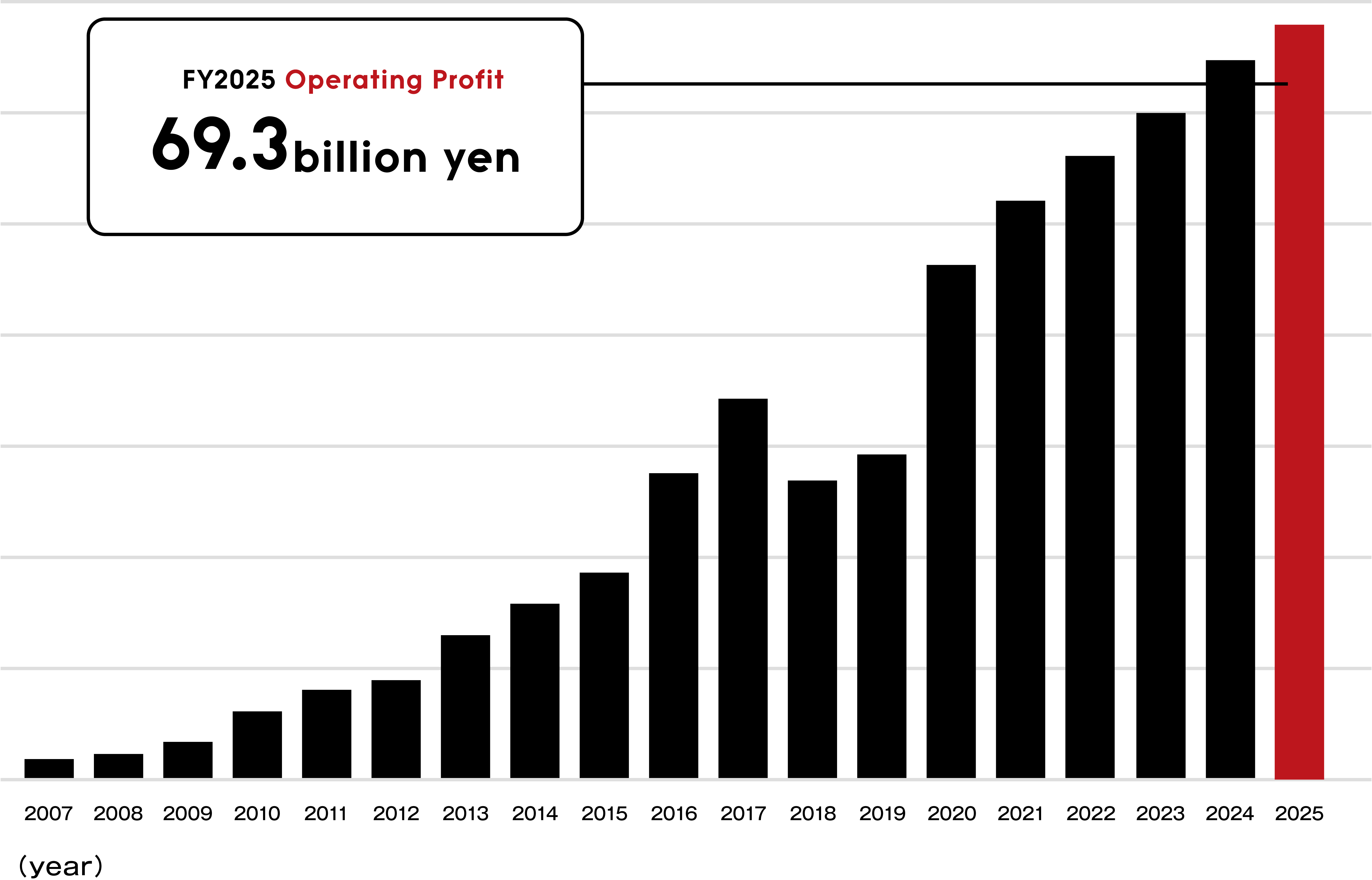
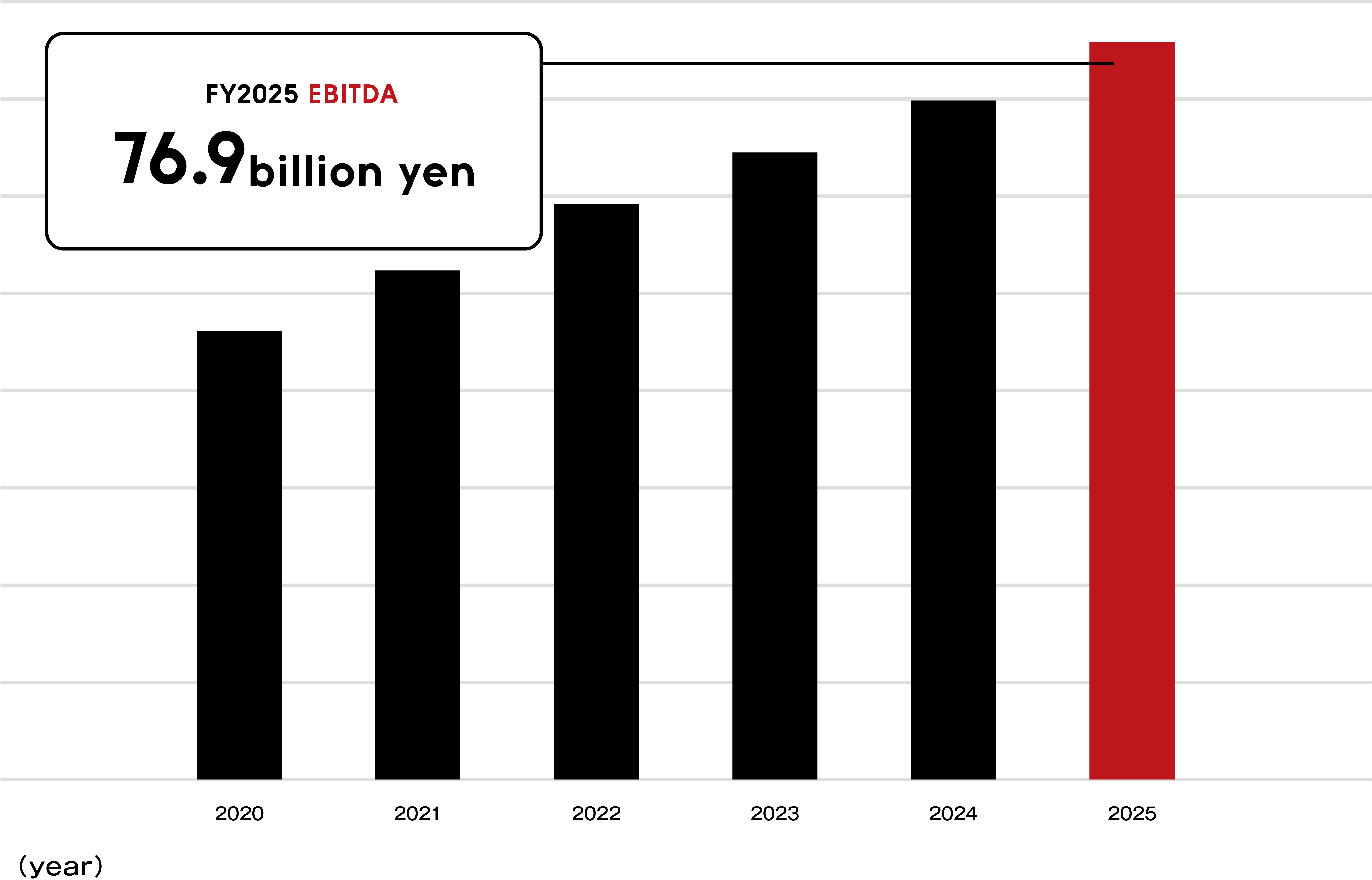
In the fiscal year ended March 31, 2026, we achieved record highs in both gross merchandise value (GMV) and EBITDA. GMV increased 8.4% year on year to ¥666 billion, while EBITDA rose 10.2% to ¥76.9 billion, marking the seventh consecutive year of revenue and profit growth.
The main factors contributing to profit growth were increased gross profit driven by the expansion of gross merchandise value (GMV) at ZOZOTOWN and LY Corporation Commerce. In addition, revenue growth from the expansion of the advertising business, lower logistics-related costs resulting from improved inventory management and the introduction of automation equipment, and a lower shipping and handling cost ratio achieved through improved commercial terms with delivery partners also contributed to improved profitability.
In the fourth quarter, strong performance in the winter sale enabled the combined ZOZOTOWN, LY Corporation Commerce, and BtoB businesses to achieve full-year targets. On the other hand, LYST was affected by the external environment in the luxury industry, resulting in total GMV across all businesses falling short of the full-year plan. EBITDA margin was 11.9%, as we prioritized investments in customer acquisition and sales promotions to achieve our GMV target. This result was in line with our expectations. While taking these short-term impacts into account, we will continue to execute our strategy steadily from a medium- to long-term perspective.
From the fiscal year ending March 31, 2027, we will replace EBITDA with Adjusted EBITA as our primary management performance indicator. This is because we recognize that continued investments in equipment for our logistics facilities and in internally developed software are essential to our business operations. We believe that adjusting only for the amortization of goodwill and intangible assets arising from M&A, as well as acquisition-related costs, provides a more appropriate representation of the ZOZO Group's underlying earning power.
Investing in Infrastructure for the Future
To achieve the goals of the Medium-Term Business Plan announced in April 2026, we are making continued investments in our logistics infrastructure as a foundation for future growth. In addition to introducing automation equipment at our existing logistics facilities, we expanded the leased area at DPL Tsukuba Chuo in May 2026 following the start of operations in August 2024. With future growth in GMV in mind, we are continuing to enhance our processing capacity.
These efforts across our logistics facilities have improved overall operational efficiency through better inventory storage conditions, increased productivity and reduced labor requirements enabled by automation equipment, as well as improved delivery efficiency through more favorable commercial terms with delivery partners. As a result, the logistics-related cost ratio declined compared with the previous fiscal year.
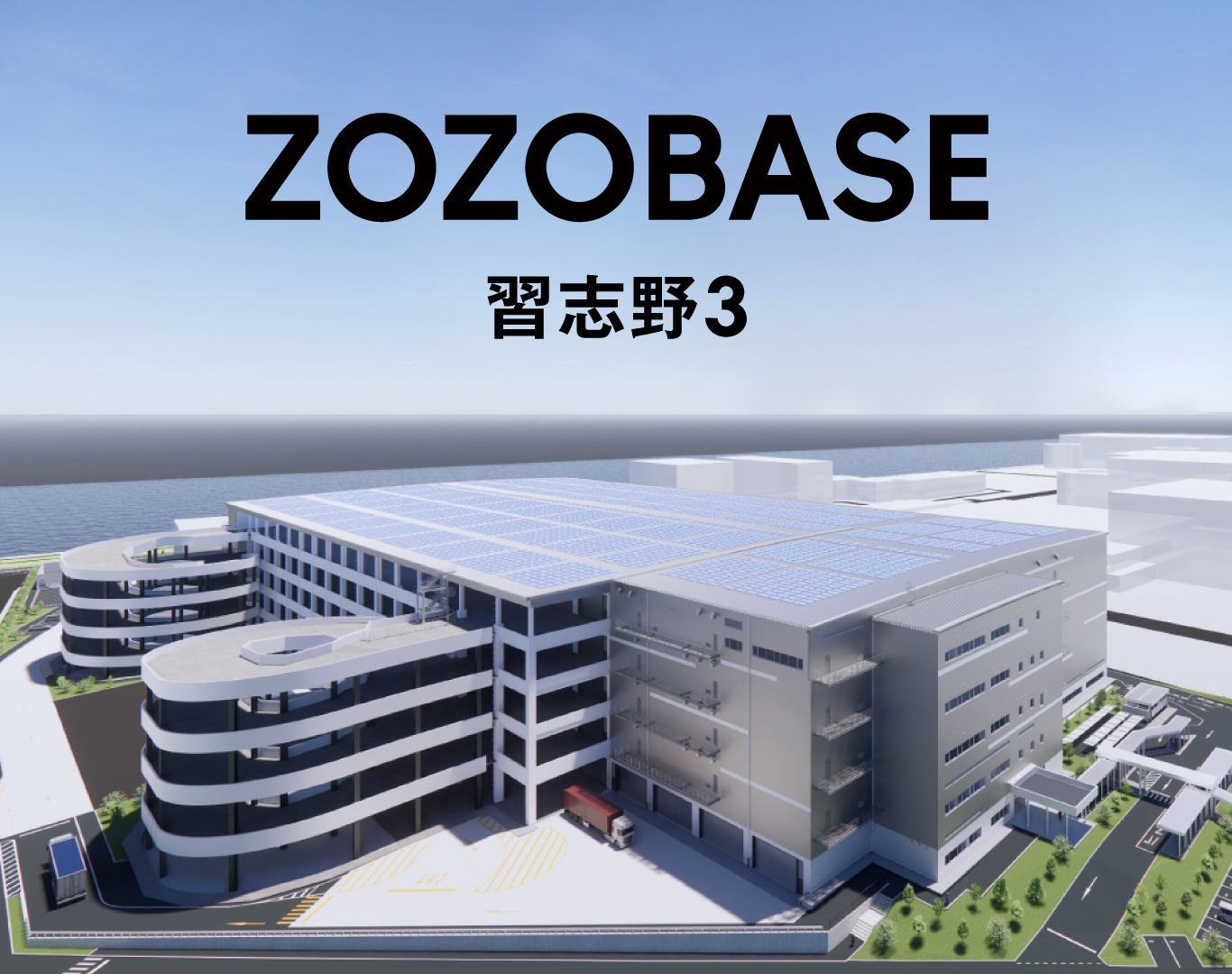
Beginning in March 2027, we plan to begin leasing a new logistics facility, ZOZOBASE NARASHINO 3. Of the approximately ¥20 billion in total planned capital investment, approximately ¥8 billion will be invested in fiscal 2026. This new facility will transfer and upgrade the functions of ZOZOBASE NARASHINO 1, which has been in operation for 13 years. Through further automation, we aim to reduce labor requirements by approximately 50% compared with our existing logistics facilities. Partial operations are scheduled to begin in August 2027, with full-scale operations planned for October 2028. The facility will serve as key logistics infrastructure supporting our next phase of growth.
We expect investment in logistics will contribute to the long-term competitiveness of our operations by helping us maintain and enhance delivery quality for our customers. Looking ahead to future growth in GMV, we will continue to strengthen our logistics infrastructure under a disciplined investment plan.
Investing for Transformative Growth
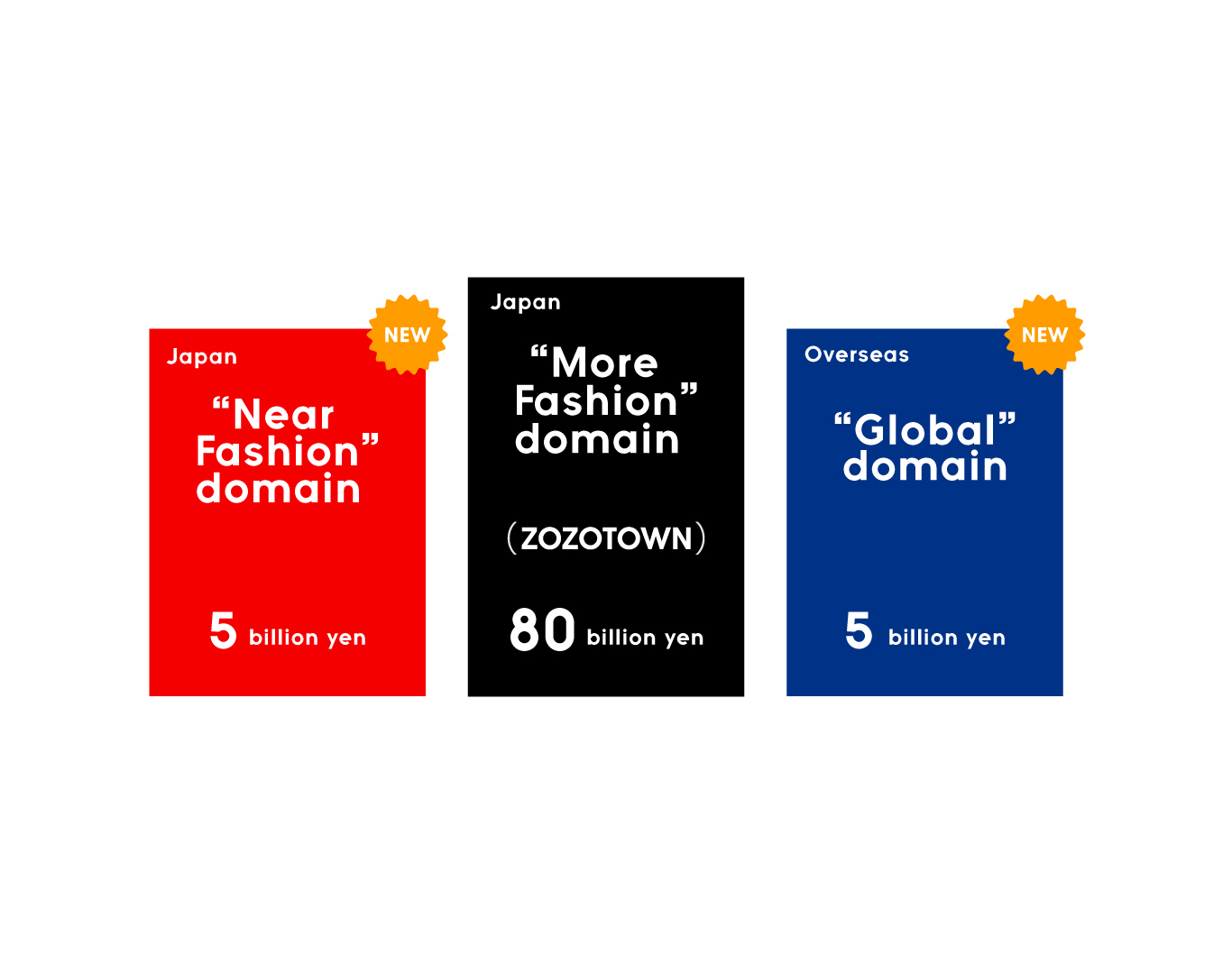
In the "More Fashion" domain, which is referred to in our Medium-Term Business Plan, we continue to expand our brand portfolio and create new customer touchpoints. Through our strategic partnership with the Korean fashion company MUSINSA, the number of brands available on ZOZOTOWN reached 11,247, up 24.3% year on year. We also opened limited-time pop-up stores in Sapporo in June 2025 and Nagoya in February 2026, creating new opportunities to engage with customers who prefer in-store shopping. By expanding customer touchpoints across both online and offline channels, we are steadily acquiring new customers and increasing the number of annual purchasers.
In the "Near Fashion" and "Global" domains, we aim to achieve growth not only by leveraging our existing business foundation but also by actively utilizing M&A and partnerships. In the "Near Fashion" domain, we acquired all shares of HIGH LINK, INC., which operates the comprehensive fragrance platform “Coloria,” for ¥4.95 billion, making it a wholly owned subsidiary. The domestic fragrance market is expanding and has strong synergies with fashion. We will promote value creation in this domain by leveraging ZOZO’s customer base to generate customer traffic to High Link’s services, as well as by leveraging our e-commerce expertise and data to enhance the discovery experience for fragrances.

In the "Global" domain, we acquired LYST LTD, which operates “Lyst,” a well-known fashion shopping platform in Europe and the United States, making it a wholly owned subsidiary and establishing a foundation to accelerate our business expansion in overseas markets. In addition, “ZOZOFIT,” our 3D body scan technology primarily available in the United States, has surpassed one million downloads, indicating that ZOZO’s technology is being accepted in global markets. These achievements provide us with confidence in our future growth opportunities.
For investments in new business areas, including M&A, we will execute them under a disciplined investment framework, with appropriate management of their short-term impact on earnings. Our fundamental approach to capital allocation is to steadily make transformative investments that lay the groundwork for future growth.
Pursuing Both Value Creation and Shareholder Returns
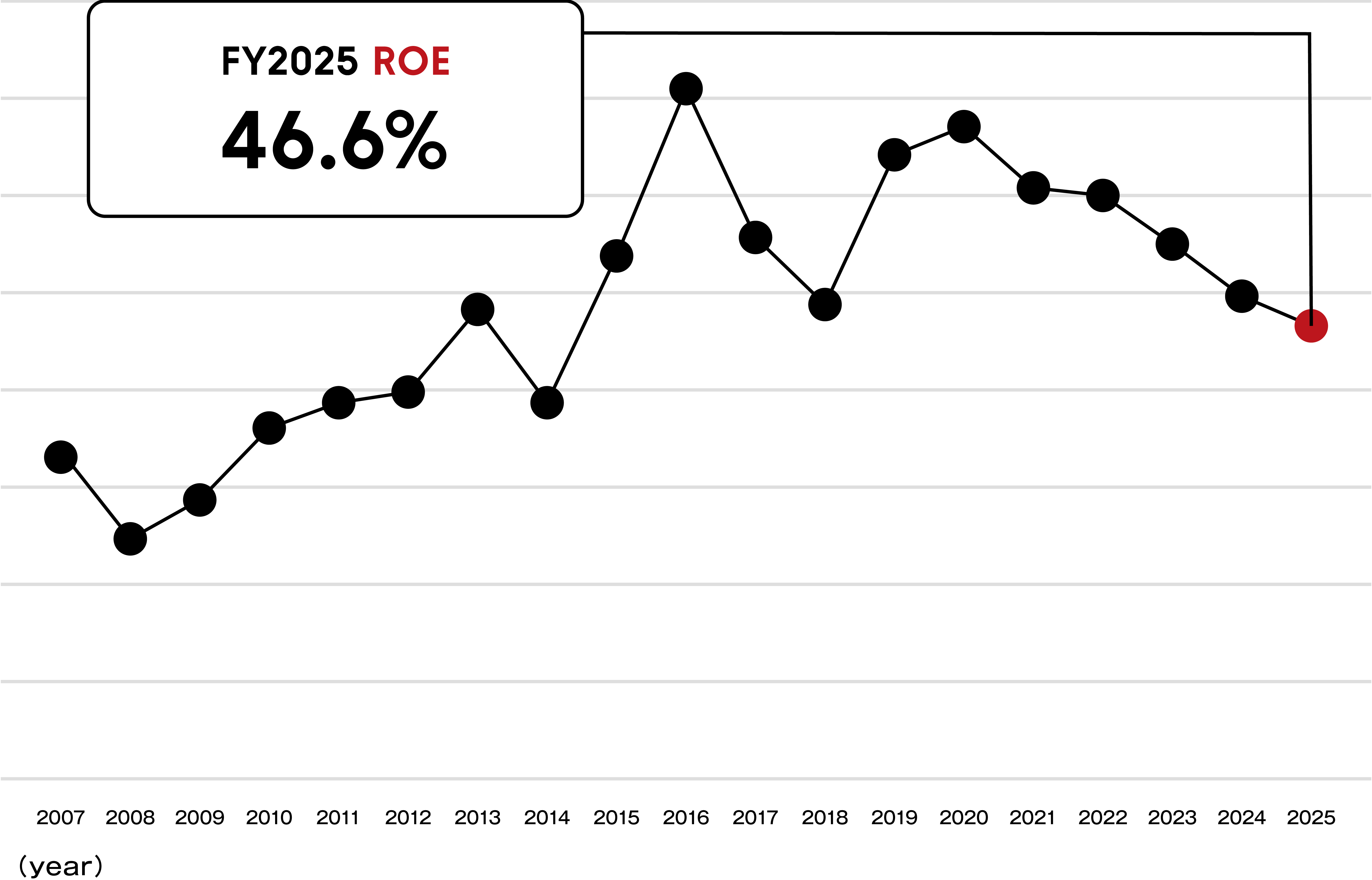
We believe that generating returns above our cost of capital is essential to sustainably enhancing corporate value, and we have set a target of maintaining return on equity (ROE) of 30% or higher. ROE for the fiscal year ended March 31, 2026 was 46.6%, remaining well above our target level. We will continue to enhance capital efficiency and corporate value through appropriate growth investments and the execution of our capital policies.
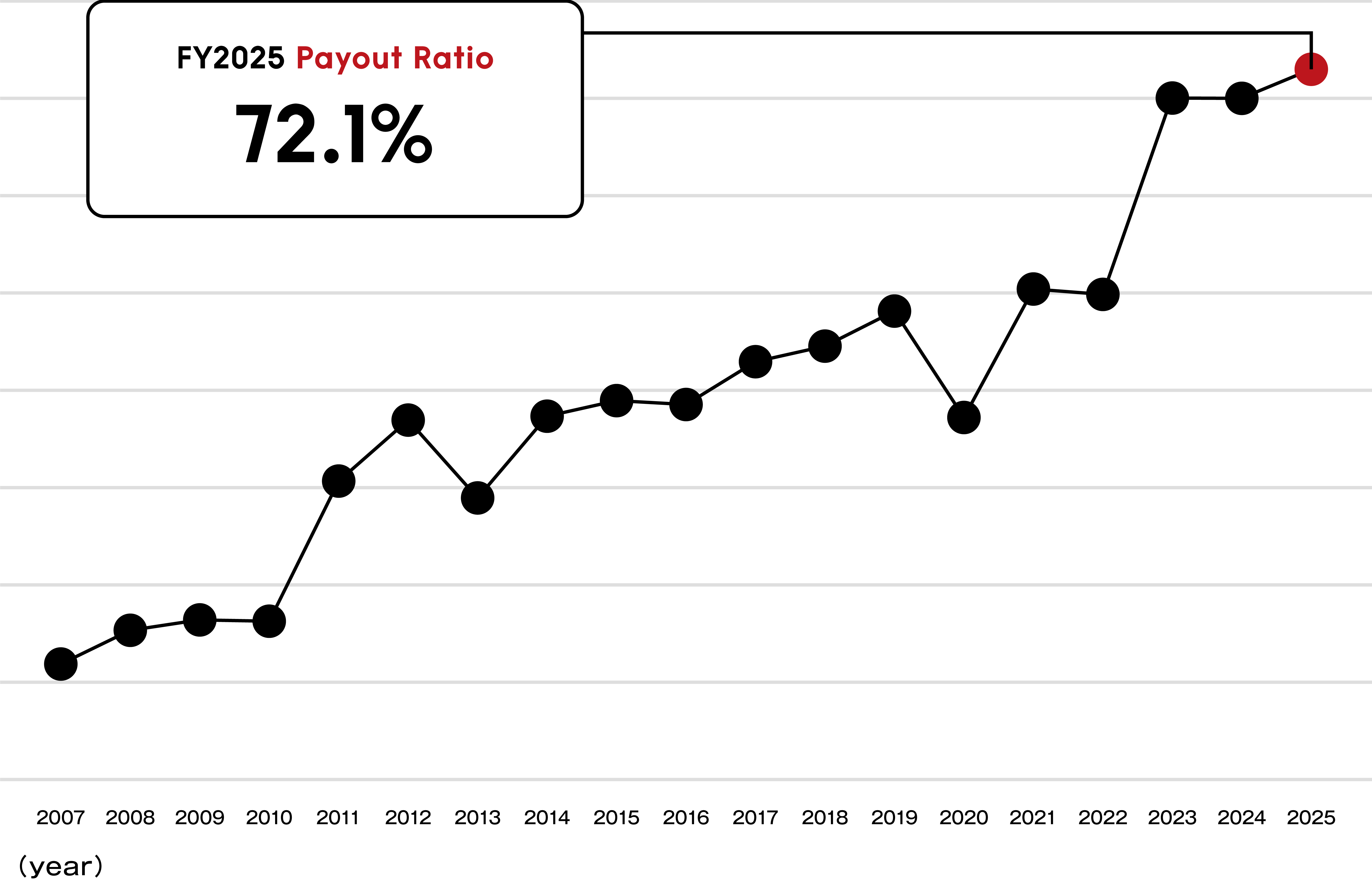
Regarding shareholder returns, our basic policy is to maintain a payout ratio of 70% or higher, and we plan to pay an annual dividend of ¥40 per share for the fiscal year ending March 31, 2027. To steadily execute our policy of targeting a five-year average total return ratio of over 80%, we resolved on the purchase and cancellation of treasury shares in June 2026, actively enhancing shareholder returns. Balancing growth investments and shareholder returns remains our fundamental management principle as we commit to medium- to long-term enhancement of corporate value.
Message to Our Stakeholders
We consider addressing various sustainability-related challenges and building trust with our stakeholders through these efforts essential to achieving sustainable enhancement of corporate value. These are management priorities that cannot be separated from our financial performance. We believe that the growth of the three business domains outlined in our Medium-Term Business Plan will lead to long-term enhancement of corporate value only when accompanied by consideration for the environment and society and responsible business operations. Our continued achievement of the highest “AAA” rating in the MSCI ESG Ratings and selection for the “A List” in CDP’s Climate Change category are evidence that these efforts are also recognized externally. Going forward, we will continue to place sustainability at the core of our growth strategy, deepen constructive dialogue with our stakeholders, and work toward achieving sustainable growth.
Financial Highlights
-
Gross Merchandise Value
-
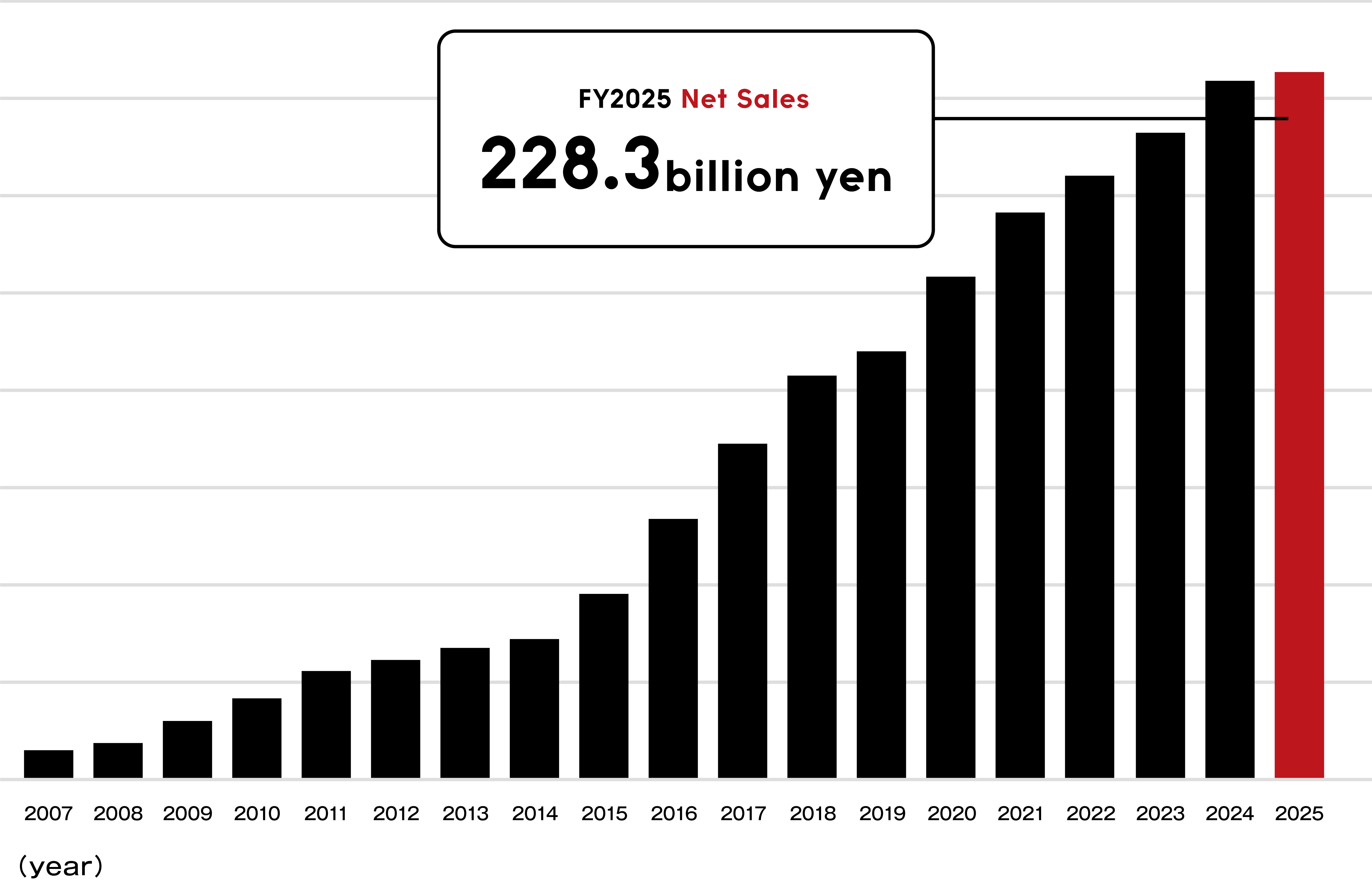
Net sales
-
Operating Profit
-
EBITDA
-
ROE
-
Dividend Payout Ratio
Supply Chain Due Diligence
Aligned with the United Nations Guiding Principles on Business and Human Rights and the OECD Guidelines for Multinational Enterprises, our group has established a comprehensive supply chain due diligence process. We have conducted risk assessment across our supply chain to identify, prevent, and reduce sustainability-related risks.
Process
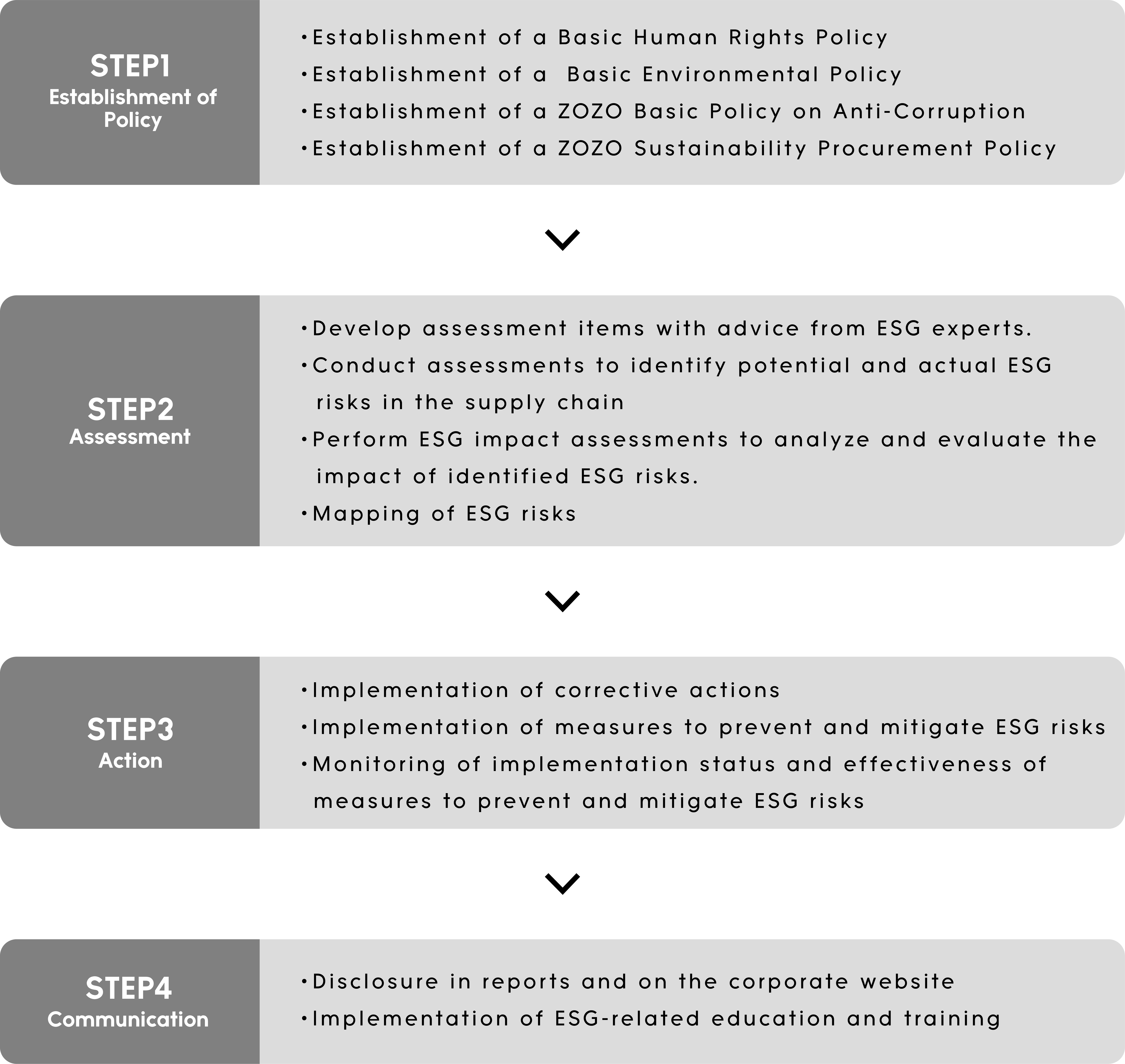
Identifying and Assessing Sustainability Risks
As part of our supply chain due diligence, we selected target companies based on transaction value and business segment, and conducted a questionnaire to identify sustainability-related risks (negative impacts of business activities) within our supply chain.
Summary of the Questionnaire
|
Purpose |
To understand the sustainability practice among our business partners and use the results to reduce supply chain risks and support their efforts. |
||||||||
|
Questions |
34 questions (Environment: 8 / Social: 17 / Governance: 9) |
||||||||
|
Target companies |
42 major business partners
Companies operating stores on ZOZOTOWN: 30 companies surveyed / 27 responses (90.0% response rate)
Other companies: 12 companies surveyed / 11 responses (91.7% response rate) |
||||||||
|
Survey period |
March - May 2026 |
||||||||
Survey Items
|
Category |
Subcategory |
Question Item |
|||||||
|
Environment |
Environment |
Basic approach to environmental management |
|||||||
|
Mechanisms for assessment, identification, and remediation |
|||||||||
|
Engagement with Business Partners |
|||||||||
|
Climate Change |
Scope of greenhouse gas emissions measurement |
||||||||
|
Greenhouse gas emissions reduction targets |
|||||||||
| Social |
Human rights |
Basic approach to human rights |
|||||||
|
Mechanisms for assessment, identification, and remediation |
|||||||||
|
Engagement with Business Partners and Compliance Requirements |
|||||||||
|
Forced labor, human trafficking, and child labor |
|||||||||
|
Production sites |
|||||||||
|
Technical Intern Training Program and Specified Skilled Worker Program |
|||||||||
|
Governance |
Business Ethics |
Approach to anti-corruption |
|||||||
|
Whistleblowing |
Whistleblowing hotline |
||||||||
|
Eligible Users |
|||||||||
|
Supply Chain Management |
Policy or Guideline for supplier |
||||||||
|
Information Security |
Approach to information security |
||||||||
|
Implementation of third-party audits |
|||||||||
Questionnaire Results
The survey found that, while the overall level of sustainability awareness was high, further establishment of policies and management systems, as well as practices for collecting and managing data such as greenhouse gas emissions, were identified as key priorities for each company.
No significant human rights incidents or compliance violations were identified through this survey. However, potential sustainability-related risks were identified at some suppliers. We will work collaboratively with them to prevent risks and promote improvement through targeted engagement, including providing information on international developments and sharing emissions calculation tools. We also plan to gradually expand the scope of target companies to further enhance the effectiveness of this survey.
|
Category |
Assessment Items |
Status |
Future Actions |
|
Environment |
Understanding of environmental laws, regulations, and social norms |
◎ |
|
|
Clear responsibilities and management structure for environmental issues |
◯ |
||
|
Existence of environmental policies and guidelines |
◯ |
||
|
Existence of greenhouse gas emissions reduction targets |
△ |
||
|
Measurement of greenhouse gas (GHG) emissions |
△ |
||
|
Social |
Understanding of the UN Guiding Principles on Business and Human Rights |
◎ |
|
|
Identification of forced labor and other human rights issues within group companies and suppliers |
◯ |
||
|
Mechanisms for assessing, identifying, and remediating human rights risks |
◯ |
||
|
Response to incidents related to forced labor, human trafficking, and child labor |
◯ |
||
|
Identification of supply chain sites located in areas of particular concern |
△ |
||
|
Technical Intern Training Program and Specified Skilled Worker Program at suppliers and contractors |
△ |
||
|
Governance |
Establishment of internal and external whistleblowing hotlines |
◎ |
|
|
Clear responsibilities and management structure for anti-corruption |
◯ |
||
|
Implementation of third-party information security audits |
◯ |
||
|
Eligible Users of the Whistleblowing Hotline |
△ |
◎: 90% or above – Sufficiently addressed
〇: 70% to less than 90% – Generally addressed, with some areas for improvement
△: Below 70% – Improvement is needed and additional support is required